Could Citrus Be the Superfood for Your Brain? Flavonoids and Depression
The link between citrus, flavonoids, mental health and depression. How citrus fruits may support a healthier brain?
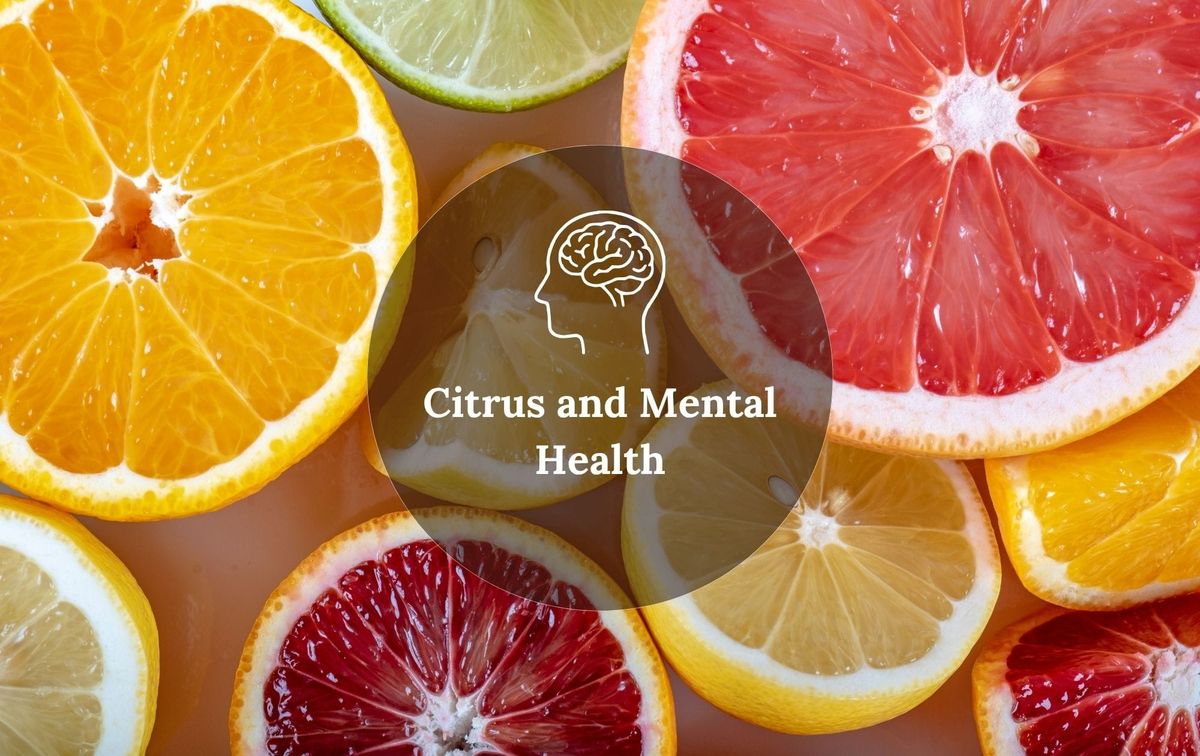
Lemons, oranges, grapefruits, limes, mandarins - who would have thought these everyday fruits could have an impact on brain health and even our mood?
It turns out they do.
To understand how citrus may affect the brain, we need to look at the gut.
F. prausnitzii and Depression
F. prausnitzii might sound exotic, but it's actually one of the most important bacteria living in the large intestine.
What is the connection between F. prausnitzii, citrus fruit and depression?
In this study, people who ate more citrus fruit over many years as part of a healthy diet showed changes in 15 species of gut bacteria, including an increase in F. prausnitzii. They also had a lower risk of developing depression later on.
People with depression, on the other hand, had lower levels of F. prausnitzii in their gut.
Flavonoids and Depression
Flavonoids, also called bioflavonoids, are compounds found in many plant foods.
They are divided into several subgroups, including flavones, anthocyanins, proanthocyanidins (and others).
An observational study of 82,643 women followed over 10 years found that flavanones, flavones and flavonols were most strongly associated with a lower risk of depression.
Flavanones: citrus fruits
Flavones: parsley, celery, oregano, thyme
Flavonols: onions, kale, broccoli
A multi-pathway approach
It turns out that flavonoids may have antidepressant potential because they can influence multiple brain pathways involved in mood:
Unlike synthetic medicaments, there are many plants that have flavonoids and producing action on multiple molecular targets and exhibit anti-depressant action by affecting multiple neuronal transmissions or pathways such as noradrenergic, serotonergic, GABAnergic and dopaminergic; inhibition of monoamine oxidase and tropomyosin receptor kinase B; simultaneous increase in nerve growth and brain-derived neurotrophic factors.
Orange Juice for Depression?
This is an interesting randomized controlled trial because I've seen on my own CGM what fruit juice can do to blood glucose levels. And, in any case, drinking a lot of fructose-rich beverages doesn't seem like a great idea for your health.
But in the study, young adults with major depressive disorder drank 190 ml of 100% orange juice 3 times a day for 8 weeks. This was associated with improvements in depression symptoms, as well as changes in certain blood markers and the gut microbiome.
At first, I assumed they must have added extra flavonoids to the orange juice to explain the results. But they didn't. They simply used pure orange juice as it was.
From the trial:
Total flavonoids in 100% orange juice: about 157.9 mg per 100 g
Total flavonoids in orange-flavored cordial: about 28.4 mg per 100 g
The Bottom Line
I didn't realize citrus could have such a significant impact on the brain and that it may work through several different pathways rather than just one:
A variety of mechanisms are proposed to explain the anti-depressant potential of flavonoids, including modulation of the neurotransmitter system and regulation of dopaminergic, noradrenergic, and serotonergic pathways in the CNS or by neurotrophic factors, anti-inflammatory, etc.