Prebiotics: Good or Bad? Natural or Powdered?
Prebiotics can be confusing. They're supposed to support a healthy gut, but when your gut is dysbiotic, they usually make you feel worse. Are refined prebiotic powders actually any good?
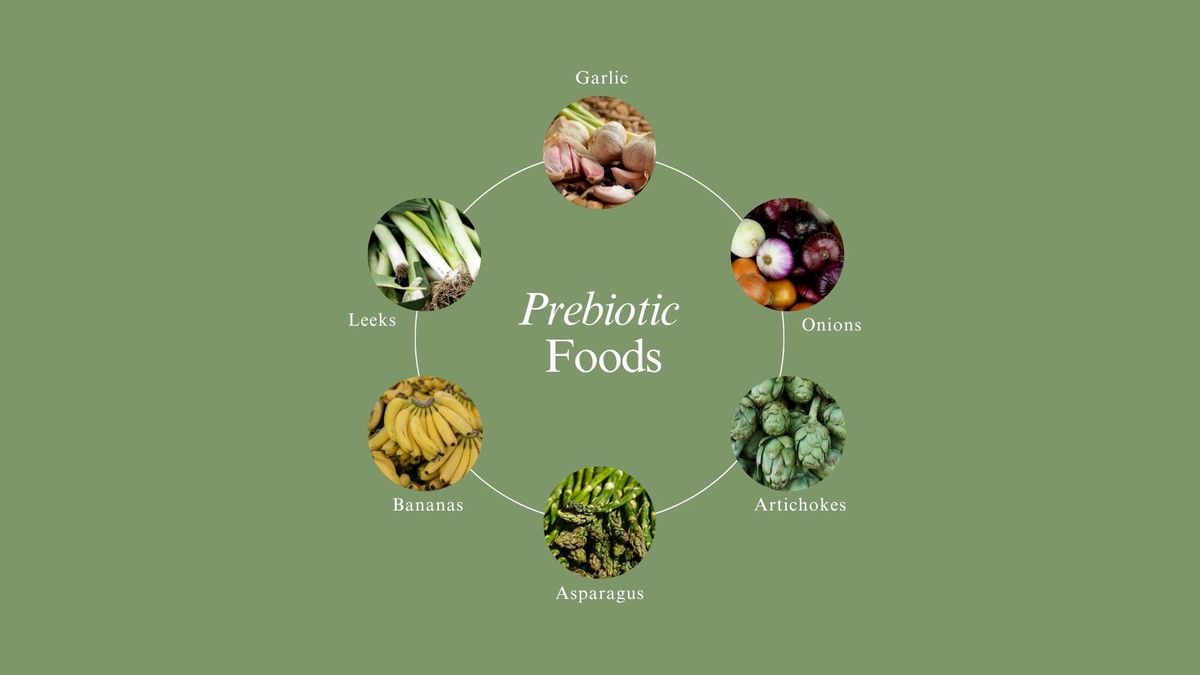
Prebiotics have been getting more attention lately, because many gut health approaches don't deliver lasting results and people are looking for better ways to restore a balanced gut microbiome.
Probiotics have been around for a very long time, but many people report that the probiotic bacteria don't actually stay in the gut. This can make them more of a temporary solution that helps with symptoms rather than addressing the underlying problem.
Prebiotics, on the other hand, are supposed to feed the beneficial bacteria already living in your gut, so they seem like a more logical solution to gut problems.
You naturally get prebiotics from plants and vegetables, but there's also a whole industry built around prebiotic powders.
Prebiotic Foods
As you can see, most of them can be problematic for people with SIBO, IBS and other digestive issues. This is actually one of the reasons the low FODMAP diet was developed in the first place. So using them as a tool to restore balance in the gut can seem counterintuitive.
- Inulin: garlic, chicory root, leeks, onions
- Fructans: garlic, leeks, bananas, cabbage
- Galacto-oligosaccharides (GOS): lentils, chickpeas, beans, cashews, pistachios
- Pectin: apples, citrus peels, carrots, tomatoes
- Resistant starch: cooked and cooled potatoes, rice and pasta, green bananas, legumes
Prebiotic Powders
For many years, I believe inulin was by far the most popular and readily available prebiotic powder.
And now I'm seeing more and more of them designed for specific purposes:
- PHGG (partially hydrolyzed guar gum) for IBS/SIBO
- XOS (xylo-oligosaccharides) for stimulating the growth of Bifidobacteria
- GOS (galactooligosaccharides) for anti-inflammatory effects and brain health
- Arabinogalactan for supporting the immune system
- Arabinoxylans (AX) for blood sugar and glycemic control
So one conclusion is that you need more than just any prebiotic powder - you need one that's right for your microbiome and what you're trying to achieve.
Expert Insights
Here's what Dr. Justin Sonnenburg says about prebiotic powders:
The studies that have been done on prebiotics, it's really kind of a mixed bag of results. There have been studies done with purified fibers where you actually see microbiota diversity plummet over the course of the study. Because you get a very specific bloom in a small number of bacteria that are good at using that one type of fibre and that's at the expense of all the other microbes that are in the gut.
And so it's really hard to replicate with purified fiber what you'd get for instance at a salad bar in terms of the array of complex carbohydrates that you would be exposing your microbiota to.
I think the kind of a broad view of this in the field is that consuming a broad variety of plants is and all the diverse fiber that comes with that is probably better in fostering diversity in your microbiota than purified fibers.
Now there are a lot of people who benefit from purified fibers either for GI motility or for other aspects of GI health problems that they've been experiencing. I think it's the type of thing where you have to try to find the thing that's right for you.
He also cautions against simply adding prebiotic powders to a poor diet:
Purified fibers are definitely very different both in terms of the diversity of structures, but also in terms of how rapidly they're fermented in the gut. You know, if you are eating plants, the complex structures there really slow the microbes down in terms of fermentation and you end up with a slow rate of fermentation over the length of your colon. As opposed to this big burst of fermentation that can happen if you eat something that is highly soluble and easily accessed by the microbes.
The Bottom Line
After looking into natural prebiotics and purified prebiotic powders available as supplements, a few questions came to my mind:
Are prebiotic powders safe if there's a study showing that mice fed refined fibre developed serious liver problems?
Are prebiotics any good for dysbiotic guts if so many people with SIBO and IBS can't eat them without feeling worse? Does that mean they feed the bad bacteria too? Do prebiotics produce different effects depending on the existing microbiota?
Do we need targeted prebiotics for specific gut conditions, just as different probiotic strains do different things?