What Should I Eat for a Healthier Gut? 3 Gut-Friendly Food Groups
Why do we give the same advice for healthy and dysbiotic guts? 3 food groups you should have in your diet unless... your gut can't handle them.
Guts are complicated. If you've ever spent enough time reading gut health forums and threads, I think there's really only one conclusion you can come to:
Healthy guts are all alike. Every dysbiotic gut is dysbiotic in its own way.
For example, some people swear by fermented foods and say they were a turning point in getting their gut health back. Others feel terrible after eating them.
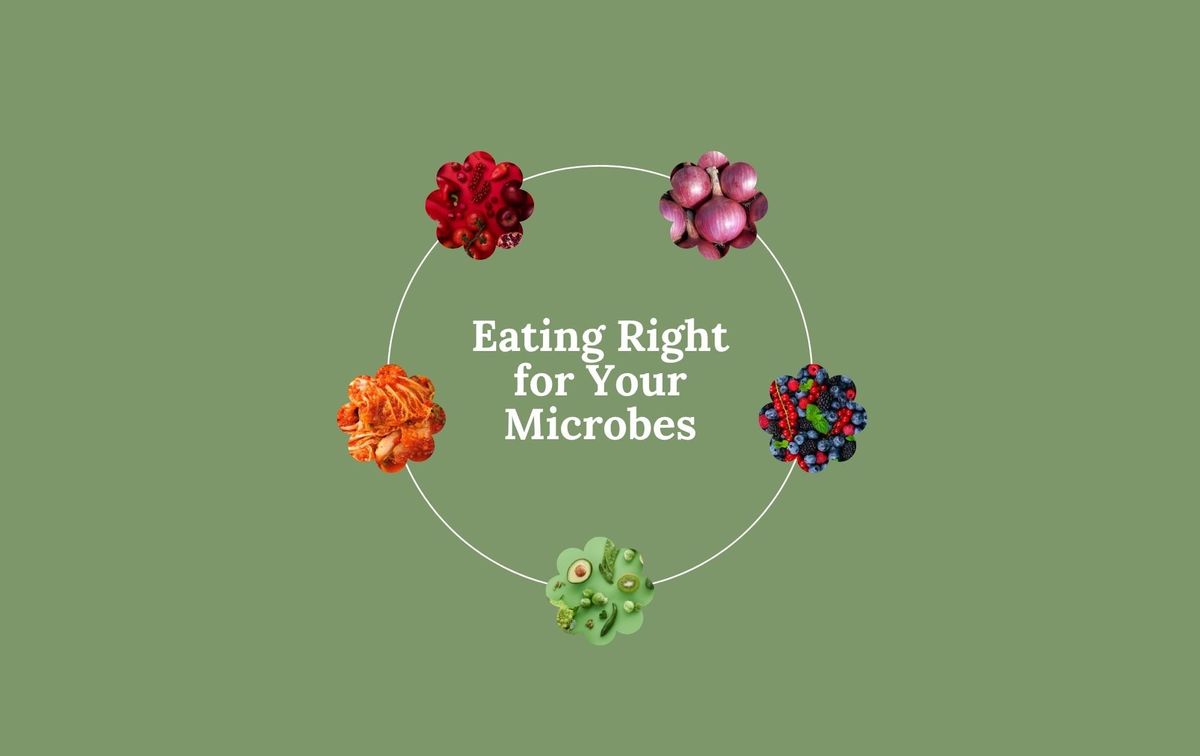
However, if you're wondering what you should eat for a healthier gut, there are basically 3 food groups to consider:
Fibre (Obviously... or Not)
Fibre is a controversial topic - keto and mostly carnivore communities often argue that it can do more harm than good.
Some people experience almost complete relief from their gut symptoms when they cut out fibre. But it also makes me wonder:
- Is it because fibre is bad for your gut, or simply because you don't have enough of the right bacteria to break it down?
- How can adding more fibre to the diet help people with dysbiotic guts if they can't digest it?
To me, the most interesting change is that we're moving beyond general advice like "just eat more fibre" toward a much more targeted approach. Supplement companies are now offering different types of fibre in powder form, designed to feed certain bacteria and address specific issues, from SIBO to brain health.
I haven't heard about larch arabinogalactan or acacia gum before, but I'm seeing them as ingredients in novel fibre supplements.
Polyphenols
It's not surprising that many fibre-rich foods, including fruit, vegetables, nuts and seeds, also contain polyphenols.
Here's a quote from one study that can really motivate you to include polyphenols in your diet:
These polyphenols encourage the growth of healthy microorganisms that are favorable for human health, including the well-known probiotics Lactobacillus and Bifidobacterium. To name a few benefits of their presence, they lower lactose intolerance, minimize diarrhea and constipation, improve irritable bowel syndrome symptoms, and prevent inflammatory bowel disease. Additionally, Clostridium histolyticum and Clostridium perfringens can’t grow well due to polyphenols. Dietary polyphenols can influence the Firmicutes to Bacteroides ratio, which has been linked to body weight and is higher in obese individuals. Four specific dietary polyphenols – rutin, quercetin, chlorogenic acid, and caffeic acid – have been demonstrated to be able to lower the Firmicutes-to-Bacteroides ratio in vitro studies on the gut microbiota.
Fermented foods
Different cultures have been making their fermented foods for centuries, but the Western world is now in the middle of its own fermented food craze. Why?
Unhealthy diets and antibiotics have damaged our gut microbiomes, and we're now looking for ways to rebuild them - preferably using natural remedies. After all, chronic health issues don't always respond well to the same approach that caused the problem in the first place.
The Bottom Line
Although the study I mentioned above emphasizes that diversity is key when it comes to gut health, and you may have heard about the idea of eating 30 different plant foods a week, people with dysbiotic guts often struggle with fibre and fermented foods.
Is it a vicious cycle? You can't tolerate fibre because you don't have enough of the bacteria that can break it down - but you don't have enough of those bacteria because you're not eating enough fibre?